
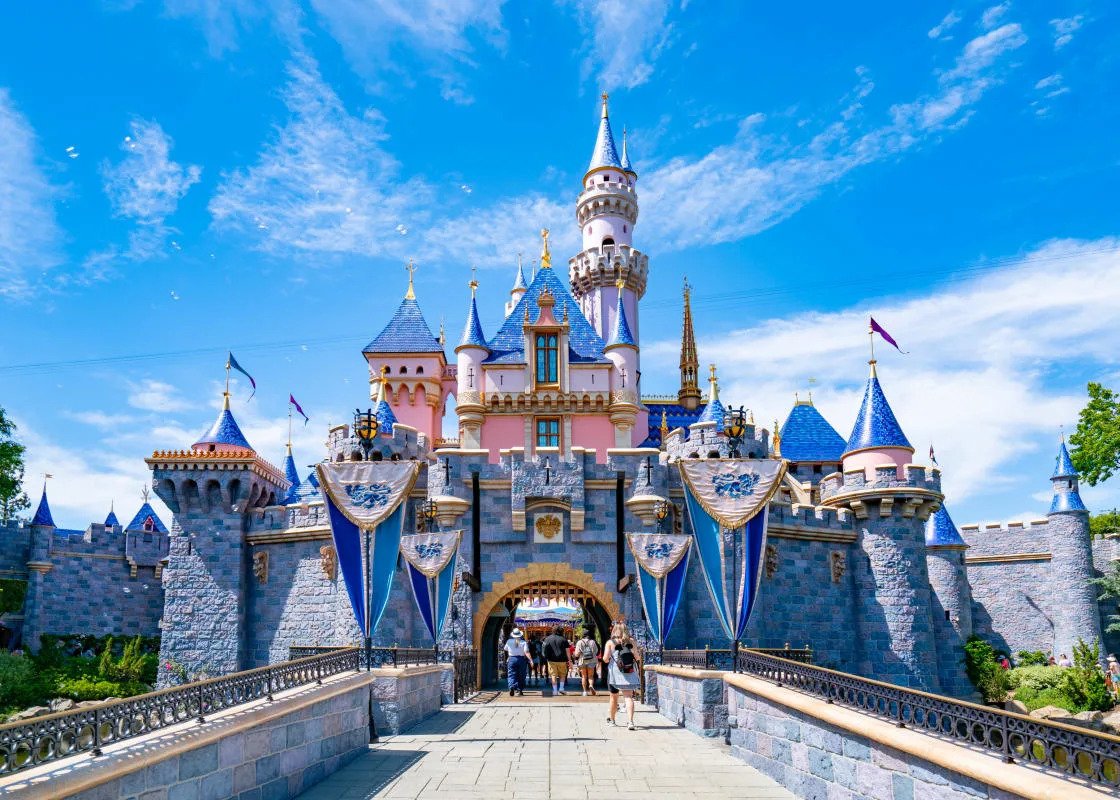
The question “what’s the difference between Disneyland and Disney World?” comes up often because both are major Disney resort destinations, but they offer different vacation experiences. Disneyland Resort is in Anaheim, California, while Walt Disney World Resort is in Florida near Orlando. The California destination is more compact and has two theme parks close together. The Florida resort is much larger, with four theme parks, two water parks, resort hotels, dining, shopping, and entertainment areas spread across a broad property.
Neither resort is automatically the better choice for every traveler. The right decision depends on how many days you have, which attractions interest your group, your budget, hotel preferences, mobility needs, travel distance, and how much time you want to spend moving between parks. This guide compares the locations, park lineups, resort scale, transport, hotels, attractions, planning requirements, and trip styles.
Where Are Disneyland and Disney World Located?
Disneyland Resort is located in Anaheim in Southern California. It is a destination within a developed city, with hotels, restaurants, shops, and other visitor services in the surrounding area. The resort itself contains two theme parks and the Downtown Disney District. Visitors can stay in a Disney hotel or choose from many nearby hotels, depending on budget and preferred amenities.
Walt Disney World Resort is in Central Florida near Orlando and covers a far larger area. Its four theme parks, water parks, hotels, and entertainment districts are distributed across a large resort property. Visitors commonly fly into Orlando International Airport and use a combination of resort transportation, rental cars, rideshare services, or other transport options. Because the property is spread out, travel time between hotels and parks should be part of the itinerary.
How Many Theme Parks Does Each Resort Have?
Disneyland Resort has two theme parks: Disneyland Park and Disney California Adventure Park. Disneyland Park is the original Disneyland theme park, opened in 1955. Disney California Adventure has a different layout and attractions, including themed areas inspired by California, Pixar stories, and Marvel experiences. The parks are adjacent, which makes it practical for visitors to move between them when their ticket type and current park rules allow.
Walt Disney World has four major theme parks: Magic Kingdom, EPCOT, Disney’s Hollywood Studios, and Disney’s Animal Kingdom. Each park has a distinct focus. Magic Kingdom is centered on classic Disney storytelling and iconic attractions. EPCOT combines world cultures, innovation, festivals, and rides. Hollywood Studios features film, television, and entertainment themes. Animal Kingdom combines attractions with animal habitats and nature-focused experiences. Current offerings and operating details should always be checked before travel.
Water Parks and Additional Resort Areas
Walt Disney World also has two water parks, Typhoon Lagoon and Blizzard Beach, although operating schedules and seasonal availability can vary. The resort further includes Disney Springs, a shopping, dining, and entertainment district, as well as a wide range of hotels and recreation options. That means visitors can build a trip around more than theme park rides. They may schedule a water park day, a rest day, shopping, dining, or activities at their resort hotel.
Disneyland Resort does not have the same two-water-park structure. Its additional resort experiences include Downtown Disney District, which is adjacent to the parks and offers shopping, dining, and entertainment. The smaller footprint can make it easier to combine park time with nearby restaurants or a hotel break. Visitors looking for a multi-day vacation with several types of resort activity may find more variety in Florida, while a shorter park-centered visit may suit California.
Which Resort Is Larger?
Walt Disney World is substantially larger in land area and has more theme parks, hotels, and resort-wide experiences. Its size affects how guests plan days, choose accommodation, and travel between destinations. A family staying at one hotel may need to allow time for transportation to a park and to return for a midday break. The property has different areas and transport links, so distances should not be estimated from a map’s appearance alone.
Disneyland is comparatively compact. The two theme parks are located close to each other, and many nearby hotels are within walking distance or a short ride. The compact arrangement can reduce the amount of time spent commuting between park gates and accommodation. However, a compact resort still gets busy, and visitors should expect walking, queues, security procedures, and time between attractions.
How the Park Experiences Differ
Disneyland Park has a distinctive history and layout. Its themed lands include areas such as Main Street, U.S.A., Adventureland, Fantasyland, Frontierland, Tomorrowland, and other sections that have developed over time. The park is often valued by fans for its original design, classic attractions, and the feeling of visiting the first Disney theme park. Some attractions and experiences have counterparts in Florida, but the details and versions may differ.
Disney California Adventure offers a separate experience, with attractions and themed lands that differ from Disneyland Park. It includes areas such as Cars Land and Avengers Campus, alongside other entertainment and dining options. Walt Disney World’s four parks provide a broader range of themes across a much larger destination. A visitor can spend a day focused on classic fantasy, a day exploring EPCOT, another at Hollywood Studios, and another at Animal Kingdom. The choice depends on what interests the group most.
Attractions and Ride Variety
Both resorts offer rides, shows, character experiences, restaurants, and seasonal entertainment. Some attractions share a familiar name or concept across both destinations, but their design, track layout, scene details, or overall experience can differ. Do not assume that a ride at Disneyland is identical to its counterpart at Disney World. Check official attraction descriptions, height requirements, accessibility details, and refurbishment notices for your travel dates.
Walt Disney World has more parks, so it can offer a wider range of experiences across a longer holiday. Disneyland’s two parks may still provide plenty of variety for families, couples, and first-time visitors. The number of attractions you can experience in a day depends on crowd levels, operating hours, queue systems, dining reservations, weather, and how much time your party needs for breaks.
Hotels and Where to Stay
Both destinations have official Disney hotels, but they differ in location, scale, pricing, and transport connections. Disneyland’s three on-site hotels are close to the parks, and a larger selection of independently operated hotels sits nearby. Visitors who want to walk to the entrance may compare hotels within the Anaheim resort area. The lowest nightly rate is not always the lowest overall cost if parking, resort fees, breakfast, and transportation are added later.
Walt Disney World has a much larger hotel collection, including value, moderate, deluxe, and other resort categories. Different hotels connect to parks by bus, monorail, boat, gondola, or walking paths, depending on their location and current operations. Staying on-site can provide convenience and access to certain resort benefits, but nearby off-site hotels may be more affordable. Compare the full cost, transport time, cancellation terms, and whether the hotel suits your group’s rest needs.
Transportation and Getting Around
At Disneyland, the compact resort means many visitors walk between the two parks, Downtown Disney, and nearby accommodation. Some hotels are close enough that guests do not need a rental car for the park portion of their trip. If the itinerary includes beaches, Los Angeles attractions, or other Southern California destinations, a rental car or planned transport may still be useful. Traffic and parking should be considered when building a wider regional trip.
At Walt Disney World, transportation planning matters more because the resort is spread out. Disney operates transportation options that vary by destination and may include buses, monorails, boats, and the Disney Skyliner. Not every hotel is connected to every park by the same mode. Check the resort’s current transportation information and allow time for waiting, transfers, and walking from drop-off points to park entrances. A rental car can offer flexibility but introduces parking costs and driving time.
How Many Days Should You Plan?
A short Disneyland trip can focus on the two parks over one or more days, depending on your pace and attraction priorities. A one-day visit may require choosing highlights rather than trying to do everything. Two days may allow more time to experience both parks, enjoy shows, and take breaks. Some visitors stay longer to repeat favorite attractions or explore the surrounding region.
Walt Disney World is often approached as a multi-day holiday because it has four theme parks and more resort-wide activities. A four-park trip could require several full days, especially if the group wants to experience headline attractions, shows, dining, and hotel activities. Add extra time for water parks or rest days if those are part of the plan. It is better to create a realistic itinerary than to schedule every hour and leave no flexibility.
Ticket Options and Park-Hopping
Ticket rules, availability, date requirements, and park-hopping terms can change. Walt Disney World standard date-based tickets generally provide admission to one theme park per day, with an available Park Hopper option for guests who want to visit more than one park on the same day. Disneyland ticket options and park-hopping rules should be checked on the official ticket page for the specific dates. Do not assume that a ticket bought for one resort is valid at the other.
Compare the total cost of the ticket package with the number of park days you will actually use. A Park Hopper option may be worthwhile for visitors who want to switch parks for dining, shows, or attraction availability. It may be less valuable for a group that prefers to spend a whole day in one park. Read the restrictions and entry requirements before buying, and check whether reservations or other steps apply on your visit date.
Food, Dining, and Special Experiences
Both resorts have quick-service restaurants, table-service dining, snacks, character experiences, and seasonal options. Advance planning may be needed for popular restaurants or special experiences, depending on current reservation windows and availability. Review menus, prices, allergy procedures, and dining locations before the trip. If your group has dietary requirements, contact the restaurant or resort through official channels instead of assuming a menu item is suitable based on a short online description.
Walt Disney World has a wider resort footprint and a large collection of hotels and dining districts. Visitors may schedule a meal at a hotel or spend an evening in Disney Springs. Disneyland’s Downtown Disney District provides a more compact dining and shopping area beside the theme parks. In either resort, dining plans and promotions should be assessed by actual use rather than headline savings. A package is only good value if it matches the group’s habits.
Weather, Crowds, and Seasonal Planning
Southern California and Central Florida have different climate patterns. Anaheim can experience warm, dry periods and cooler evenings, while Central Florida is known for humidity, heavy rain, and seasonal storm risk. Check the forecast close to the trip and pack for the expected conditions. Bring comfortable walking shoes, sun protection, and suitable rain gear. Weather can affect outdoor rides, shows, transport, and the comfort of younger or older visitors.
Crowds vary by school holidays, weekends, special events, ticket pricing, and other calendar factors. A day that was quiet during a previous visit may be busy in another year. Check the official operating calendar, event information, and attraction refurbishment notices before locking in a non-refundable itinerary. Once at the resort, use the official park app and schedule to confirm live updates and current availability.
Accessibility and Family Considerations
Both resorts provide accessibility information and services, but the practical experience depends on individual needs. Review official details for wheelchair access, mobility devices, sensory considerations, service animals, guest assistance programs, and attraction requirements. Contact the resort ahead of time if you need to understand a particular accommodation. Do not rely on an old visitor comment for a policy that may have changed.
Families with young children should consider stroller use, nap breaks, height restrictions, meal timing, and the distance between attractions. Older visitors may value a hotel close to the park or a transport route that reduces walking. A group with different interests might divide for some attractions and agree on a meeting place. The best itinerary is one that allows everyone to enjoy the trip without feeling rushed.
Which Resort Is Better for First-Time Visitors?
For someone who wants a compact introduction to Disney theme parks, Disneyland can be attractive because both parks are close together and the resort has a strong historical identity. For a traveler seeking a larger destination with four theme parks, two water parks, and more resort-area activities, Walt Disney World may be the stronger fit. First-time visitors should compare trip length and budget before choosing based on brand familiarity alone.
There is no single winner for every age group or interest. A fan of EPCOT’s international areas may prefer Florida. Someone interested in the original Disneyland Park may prefer Anaheim. A family with a short vacation window may value the smaller layout, while a group planning a week-long holiday may enjoy the scale of Walt Disney World. Compare the experiences your group actually wants rather than the number of attractions alone.
Quick Comparison Checklist
Before booking, write down your travel dates, number of park days, must-see attractions, preferred hotel type, transport plan, budget, and rest requirements. Compare the current ticket price, hotel total, parking or transport expenses, meals, and optional add-ons. Check whether each resort has the shows, attractions, and seasonal events that matter to your group during the dates you can travel.
Then review current operational information on the official resort websites. Park hours, attraction refurbishments, water-park schedules, ticket restrictions, dining reservations, and transportation can change. Use a calendar and a realistic daily plan, but leave room for weather, breaks, and unexpected opportunities. A flexible schedule is often more enjoyable than a packed checklist.
Official Resort Information
Check the official Disneyland Resort website and Walt Disney World Resort website for current park lists, ticket rules, hours, attractions, hotel details, and operational updates. Walt Disney World’s current ticket information describes its four theme parks, while Disneyland’s official site provides details for Disneyland Park and Disney California Adventure Park. Use date-specific information before purchasing.
Frequently Asked Questions
Are Disneyland and Disney World in the same state?
No. Disneyland Resort is in Anaheim, California, while Walt Disney World Resort is in Florida near Orlando.
Which resort is larger?
Walt Disney World is substantially larger and includes four theme parks, two water parks, and a broad resort area. Disneyland Resort is more compact, with two theme parks.
Which resort is better for a short trip?
Disneyland’s two parks are close together, which can make a shorter visit easier to organize. The best option still depends on travel time, budget, and the attractions your group wants to experience.
Does Disney World have more theme parks?
Yes. Walt Disney World has four major theme parks; Disneyland Resort has two. Check official resort information for current park operations and offerings.
Should I book hotels inside the resort?
Not necessarily. Compare on-site and nearby hotels by total price, transportation, location, cancellation terms, and travel time.
Conclusion
Disneyland and Disney World offer different types of vacations. Disneyland is a more compact California resort with two parks close together, while Walt Disney World is a much larger Florida destination with four theme parks and a wider resort footprint. Compare the parks, travel costs, trip length, hotel plans, and current official schedules to choose the resort that best fits your group.
