
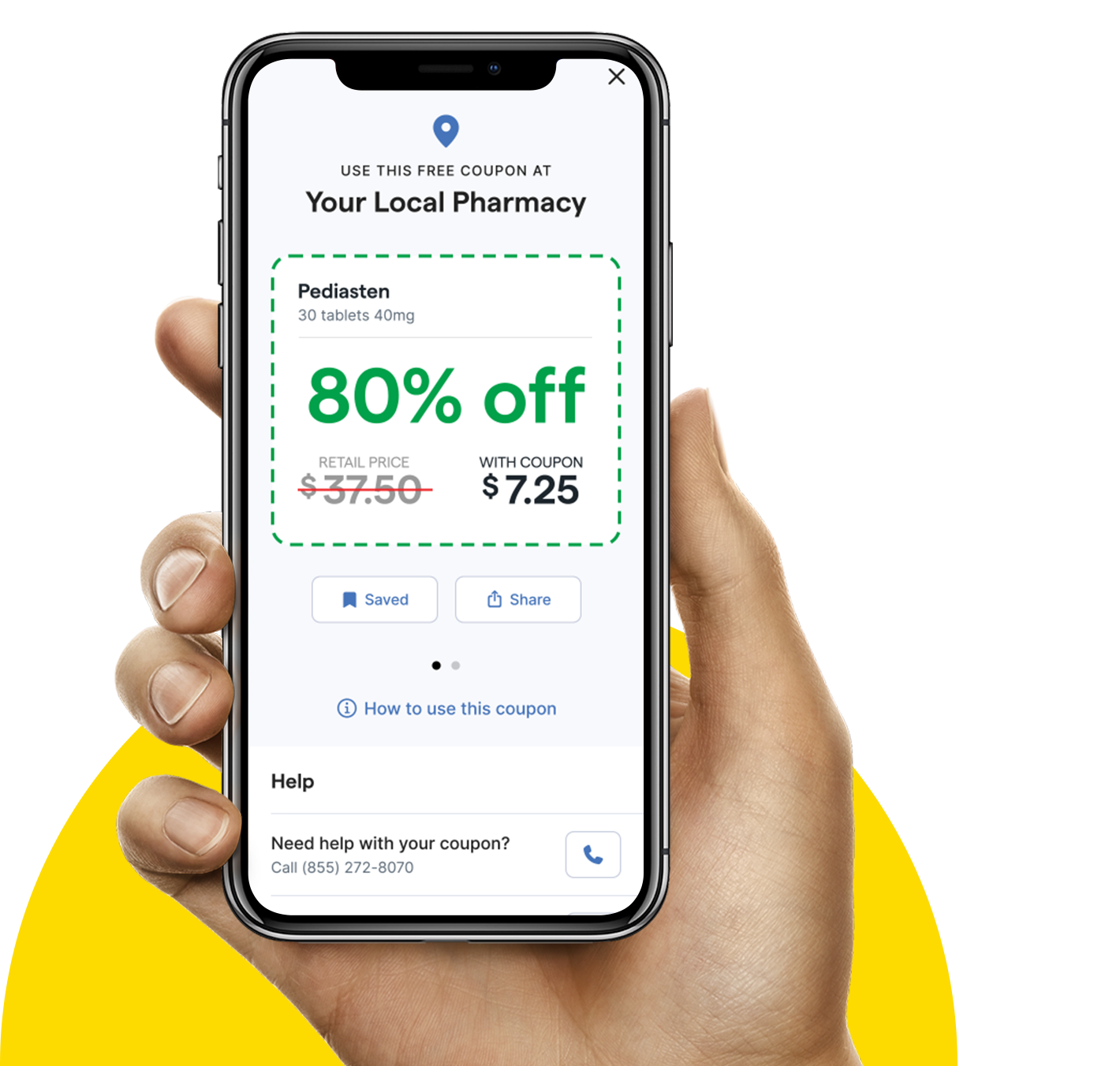
The question “can you use GoodRx with insurance?” is important because prescription prices can vary widely between a health plan’s copay and a discount coupon price. GoodRx provides discount information and coupons that may help people compare pharmacy prices. However, a GoodRx coupon is generally used instead of prescription insurance for the same prescription transaction, not combined with the insurance claim.
You may still compare GoodRx prices even if you have insurance. The decision is usually whether to have the pharmacy process that prescription through your plan or apply the GoodRx discount. This guide explains how the two options work, how to compare them, what may happen to your deductible and out-of-pocket tracking, and which questions to ask the pharmacist and insurer before choosing.
Can You Use GoodRx and Insurance at the Same Time?
GoodRx’s support guidance states that a GoodRx discount cannot be combined with insurance or a federal or state-funded health program such as Medicare or Medicaid for the same prescription transaction. The coupon is not insurance. If you choose the GoodRx discount, the pharmacy generally processes the prescription using the coupon arrangement rather than submitting that same transaction to your insurance plan.
This distinction matters because some people assume that the coupon acts like an extra discount on top of their copay. That is not how the standard GoodRx coupon is designed to work. You can be enrolled in an insurance plan and still compare GoodRx prices, but you normally choose one pricing route for that fill. Ask the pharmacist to confirm the final amount before the prescription is processed.
Why Compare a GoodRx Price With an Insurance Copay?
Insurance plans use formularies, drug tiers, pharmacy networks, deductibles, copays, and coinsurance to determine a member’s prescription cost. A medicine may have a low copay when it is covered on a preferred tier, but the member may face a higher price when a deductible applies or when the drug is not covered. A discount coupon may sometimes produce a lower price at a particular pharmacy.
The lowest price can vary by medicine, strength, dosage form, quantity, pharmacy, and date. A coupon displayed for a 30-day supply of one generic medicine should not be compared with the insurance price for a 90-day supply or a different brand. Make sure you compare the same prescription details. A price shown online may be an estimate and should be confirmed by the pharmacy.
How to Compare the Two Prices at the Pharmacy
Start by identifying the exact medication, strength, dosage form, and quantity prescribed. Then ask the pharmacy what the final patient cost would be through insurance. Ask separately what the GoodRx coupon price would be for the same product and quantity. Confirm that the coupon is accepted at that location and ask whether any restrictions apply. The pharmacy can help establish the amount that would actually be charged.
Write down both prices, the pharmacy location, the date, and the quantity. If you use several pharmacies, compare each one using the same prescription details. Do not rely only on a search result or an old screenshot. Pharmacy prices and coupon arrangements can change, and a price displayed earlier may not be the amount processed at the register.
What Happens to Your Deductible?
A GoodRx coupon purchase is generally treated as a cash or discount transaction rather than an insurance claim. As a result, it may not count toward your health plan’s prescription deductible or out-of-pocket maximum. This can matter if you are close to meeting a deductible or if your plan uses prescription spending to track progress toward a benefit threshold.
Plan rules can differ, and some insurers may have particular procedures for reporting or seeking reimbursement for out-of-network or cash purchases. Do not assume that a GoodRx transaction will be credited to your deductible automatically. Ask your insurer how it treats a purchase made outside the plan’s pharmacy benefit, and request the answer in the plan documents or from member services. Keep the receipt if you need to discuss the transaction later.
When GoodRx May Be Worth Comparing
A GoodRx price may be worth checking when the insurance copay is high, the drug is not covered, a prior authorization has been denied, or the member is facing a deductible. It may also be useful for people without prescription coverage. The coupon can provide another price point that helps a consumer decide which available payment option is more affordable for that specific fill.
However, a lower price for one prescription does not automatically make a coupon the better choice for every medicine or every refill. A person who is close to meeting an annual out-of-pocket maximum may value insurance credit even if the immediate copay is somewhat higher. A patient who takes several medications may need to compare each prescription separately and consider the plan’s overall benefit design. The right choice may differ from one month to another.
When Insurance May Be the Better Choice
Using insurance may be preferable when the copay is lower than the coupon price, when the prescription needs to count toward a deductible or out-of-pocket maximum, or when plan rules require a particular pharmacy or authorization process. Insurance may also provide benefits related to medication management, formulary alternatives, mail-order programs, and coverage appeals. These features should be considered alongside the price at the pharmacy counter.
If the medication is part of a complex treatment plan, speak with the pharmacist or prescriber before changing how the prescription is paid for. A discount price should not lead you to switch to a different drug, reduce the dose, delay a refill, or stop a medicine. Clinical decisions should be made with the healthcare professional responsible for your care.
Can You Use GoodRx With Medicare or Medicaid?
GoodRx’s restrictions explain that its discounts cannot be combined with federal or state-funded programs such as Medicare or Medicaid for the same prescription transaction. Some people enrolled in Medicare or Medicaid may still compare a discount price as an alternative payment route where permitted, but they should verify the program rules and implications before making a choice. Do not assume that the coupon can be stacked with a government drug benefit.
Medicare Part D and other prescription coverage arrangements have their own rules about covered drugs, pharmacy networks, plan spending, and out-of-pocket accounting. Medicaid programs can also vary by state. Ask the plan administrator or pharmacist how a cash or discount purchase is treated. If a specific government program rule applies, follow that rule rather than relying on a general coupon page.
What If the Pharmacy Has Already Run the Insurance Claim?
If the pharmacy has already processed the prescription through insurance and you want to compare a coupon price, tell the pharmacist before paying. The pharmacist can explain whether the transaction can be reversed and reprocessed under the alternative arrangement. Do not assume that a coupon can simply be applied after the insurance transaction has been completed. A final price should be confirmed before the prescription is dispensed and paid for.
Ask for a clear explanation of which billing method was used. Review the receipt and ensure it reflects the price you agreed to pay. If a claim needs to be reversed, the pharmacy may need to follow its own process and applicable plan rules. The customer should not try to manipulate the transaction or provide inaccurate insurance information.
Compare the Exact Drug, Strength, and Quantity
One of the most common mistakes is comparing prices for products that are not identical. A coupon for a generic tablet may not be comparable to the insurance price for a brand-name capsule. A 30-count bottle and a 90-count supply have different quantities. A different strength or dosage form may also have a different price. Confirm the National Drug Code or exact product details with the pharmacist if needed.
Do not ask the pharmacy to substitute a medicine or change the prescription purely to obtain a lower coupon price without consulting the prescriber where required. Generic substitution rules, brand preferences, and dosage instructions can affect what may be dispensed. The pharmacist can help explain whether a generic version is available and whether it matches the prescription.
GoodRx Is Not Health Insurance
GoodRx describes its coupon as a discount option, not an insurance policy. It does not replace the wider protections and benefits of a health plan. A coupon generally does not provide the same structure as insurance coverage for deductibles, annual limits, preventive services, medical care, and catastrophic costs. Consumers should not treat a discounted pharmacy transaction as a substitute for health coverage.
For a person who has insurance, GoodRx may be one price-comparison tool among several. For a person without insurance, it may help locate discount prices, but it does not remove the need to consider the full cost of healthcare and the risks of being uninsured. If medication costs are difficult to manage, ask the prescriber, pharmacist, insurer, or a patient assistance program about appropriate options.
Controlled Medications and Other Restrictions
Some medication categories may have additional restrictions. GoodRx’s published support information notes that acceptance of certain controlled medications may be at the pharmacist’s discretion for GoodRx Gold members. State law, pharmacy policy, prescription validity, and federal requirements can all affect whether a discount is accepted. A coupon does not override a pharmacist’s professional responsibilities or applicable controlled-substance rules.
Always use the official coupon details and ask the pharmacy about eligibility. Do not use someone else’s coupon or prescription information in a way that violates the terms or law. If a medication is not eligible, ask the pharmacist what lawful pricing or assistance alternatives may be available.
Keep a Prescription Cost Record
If you regularly take medication, maintain a simple record of the drug, strength, quantity, pharmacy, date, insurance price, coupon price, and amount paid. This can help you see whether prices have changed and whether your plan has entered a new deductible or benefit period. Keep receipts and plan communications where you can find them. Do not store sensitive prescription details in a public place or share them in an unsecured message.
Review prices when the prescription changes, the pharmacy changes, or your health plan renews. Formularies and network arrangements can change from year to year. A coupon that was useful last month may not be the cheapest option next month. A brief comparison can help you avoid relying on old estimates.
What to Ask Your Pharmacist
Ask the pharmacist for the final price through insurance and the final GoodRx price for the exact prescription. Confirm that the coupon is accepted at that location and that the drug, strength, quantity, and formulation match. Ask whether the insurance claim has already been submitted and whether it can be reversed if you choose the coupon. The pharmacist can also explain whether a generic version is available or whether the prescription has a restriction that affects the price.
If the coupon price at the counter differs from the online estimate, ask what caused the difference. It might be a product mismatch, quantity, pharmacy participation, or a price update. Do not assume the pharmacist has done something wrong. Obtain the final amount before completing the purchase and contact the coupon provider through its official support channel if a listed offer appears not to be honored.
What to Ask Your Insurance Plan
Contact the insurer or pharmacy benefit administrator to ask whether the medicine is covered, what tier it occupies, whether a deductible applies, and whether the pharmacy is in network. Ask how a cash purchase affects deductible and out-of-pocket tracking, and whether any reimbursement process exists. Request clarification in writing or save the relevant plan document for future reference.
If the insurance copay is unusually high, ask whether a generic alternative, preferred pharmacy, mail-order arrangement, formulary exception, or prior authorization review may be available. Do not change medication without discussing it with the prescriber. A lower price is useful only when the medicine and treatment remain appropriate.
When a Prescription Is Unaffordable
If cost makes it difficult to fill a prescription, tell the prescriber and pharmacist rather than stopping the medication without advice. They may be able to discuss a generic equivalent, a clinically suitable alternative, a different formulation, a manufacturer assistance program, or another payment resource. The correct option depends on the medicine, medical history, treatment goals, and coverage rules.
Do not split tablets, skip doses, extend the time between doses, or substitute another person’s medication because of cost. Such actions can create health risks. If you are experiencing side effects or cannot afford the prescribed treatment, contact your healthcare team promptly so they can help identify a safe next step.
Official GoodRx Guidance
GoodRx’s GoodRx and GoodRx Gold Restrictions page states that a discount may be used instead of insurance or Medicare when the cost is lower, but it cannot be combined with insurance or a federal or state-funded program on the same prescription transaction. Review the current support article and ask the pharmacy or plan administrator about your specific circumstances.
Frequently Asked Questions
Can you use GoodRx and insurance for the same prescription at once?
Generally, no. A GoodRx coupon is usually processed instead of insurance for that prescription transaction, not combined with the insurance benefit.
Can I compare a GoodRx price with my insurance copay?
Yes. Ask the pharmacy for the final price under each option for the same drug, strength, dosage form, quantity, and location.
Will a GoodRx purchase count toward my deductible?
Usually a coupon transaction is treated as a cash purchase and may not count toward the plan deductible or out-of-pocket maximum. Confirm the rules with your insurer.
Can I use GoodRx for a generic medicine?
GoodRx lists discounts for many generic medicines, but the price and availability vary by pharmacy, product, and location. Confirm the exact prescription details.
What should I do if the medicine is still unaffordable?
Tell your pharmacist and prescriber. They can discuss clinically appropriate alternatives, generic options, or assistance programs. Do not change or stop treatment based only on a price comparison.
Conclusion
GoodRx can be useful for comparing prescription prices, but its coupon is generally an alternative to billing insurance for the same fill. Compare final prices and ask how a cash purchase affects your deductible and out-of-pocket tracking. Because plan rules and pharmacy prices vary, confirm details with the pharmacist and insurer, and keep medication decisions with your healthcare team.
